Desulphurisation solutions we provide
First of all, we provide iron additives. Iron additives come in powder form, working on the basis of a iron(hydr)oxide (e.g. FeO (Wüstite), Fe2O3 (Hematite), FeOOH (Goethite), e.a.) which reacts with hydrogen sulphide (H2S) in the digester during the process of anaerobic fermentation in biogas plants. Our main products are FeSfix and FeSfix-Red.
H2S needs to be removed from the gas in situations where the gas goes to the grid as well as in situation where the gas is burned in a CHP to produce power and heat. The H2S lowers the acidity of the gas, whereby the lifetime of the oil and the equipment is significantly reduced. It is also known that H2S hinders the process of methanogenesis thereby also displacing trace elements necessary for methanogenic bacteria. This results in a significant drop in biogas production. Therefore, the target should be to put a desulphurisation process in place that allows the anaerobic bacteria to focus on methane production. Other desulphurisation methods based on the principle of adsorption by activated carbon or the addition of air into the fermenter, do not always provide such an economic solution as our iron additives.
Secondly, we also provide "end-of-pipe" solutions, whereby the gas is cleaned from H2S and/or other impurities. This can be the media for existing activated carbon filters or scrubbers, as well as complete scrubber or filter systems including this media. The main difference with the additives is that these solutions take out the impurities when the (bio)gas is already formed. The advantage of these equipment solutions is that they can easily be retrofitted and in many cases provide an extra safety step or a final cleaning step that is more rebust than additives in the heart of the biology. Then again some of our desulphurisation additives also contain trace elements that improve the performance of bacteria and the sulpur issues are managed at the beginning of the process and not at the end. The best solution for your process is depending on many factors and plant specific circumstances, and they co-exist in many cases. We can go through the pro's and cons with you in a free-of-charge consulation.
The iron additives
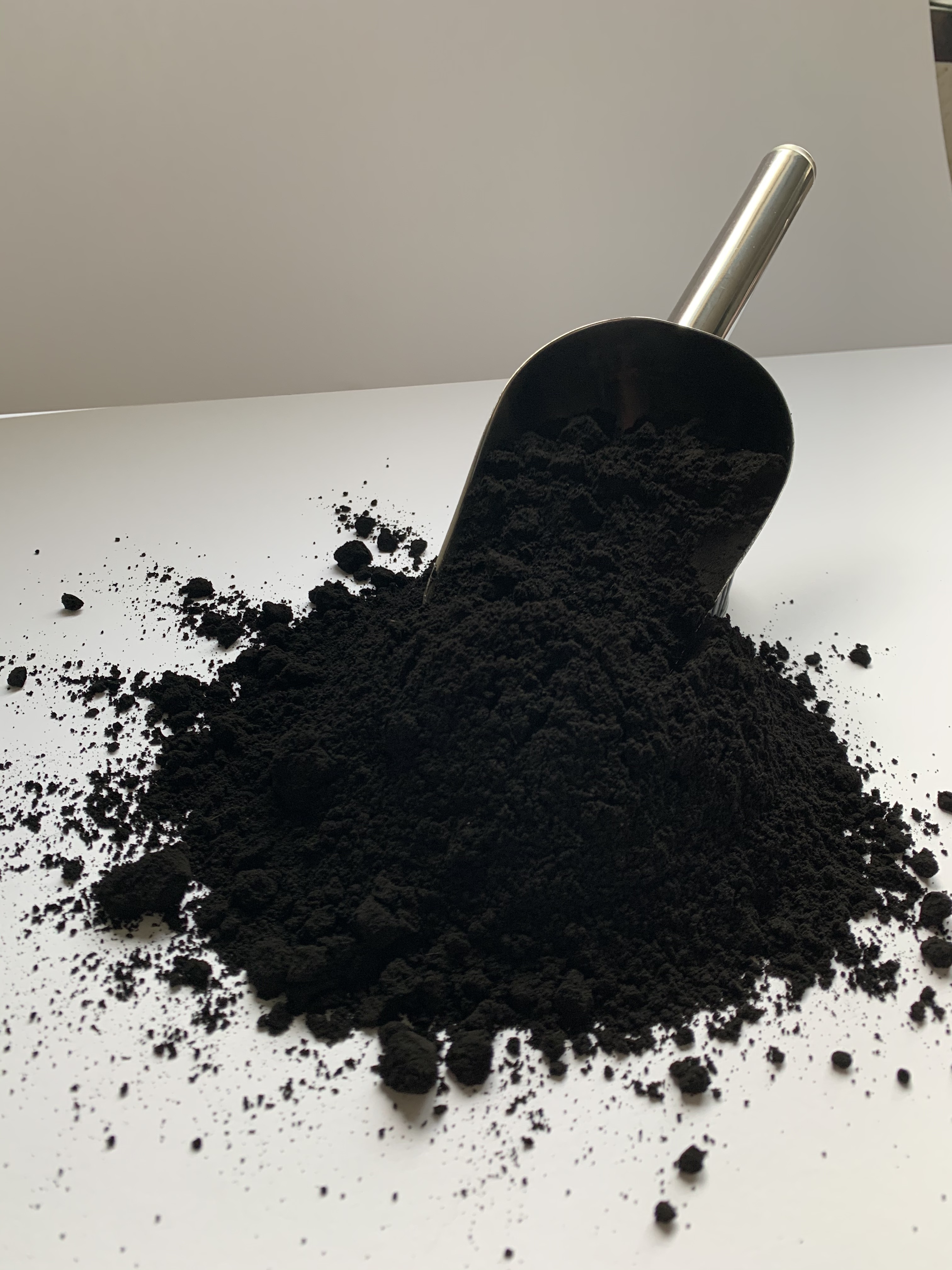
FeSfix is our "oldest" iron product. It is a black nano powder based on iron oxide (FeO and Fe2O3) with 50% iron and contains some natural trace elements. While the iron oxide reacts with the H2S in the digestate during the process of anaerobic fermentation, the trace elements act as nutrients for the microorganisms that will increase their yield on methane. On top of the trace elements that are naturally in FeSfix, BiogasJG can also supply any kind of trace elements separately. FeSfix can be supplied in 1 ton big bags or in 25 kg biodegradable paper bags. Other weights can be supplied upon request.
For the technical info, please click the following links Technical Data Sheet FeSfix and MSDS FeSfix.
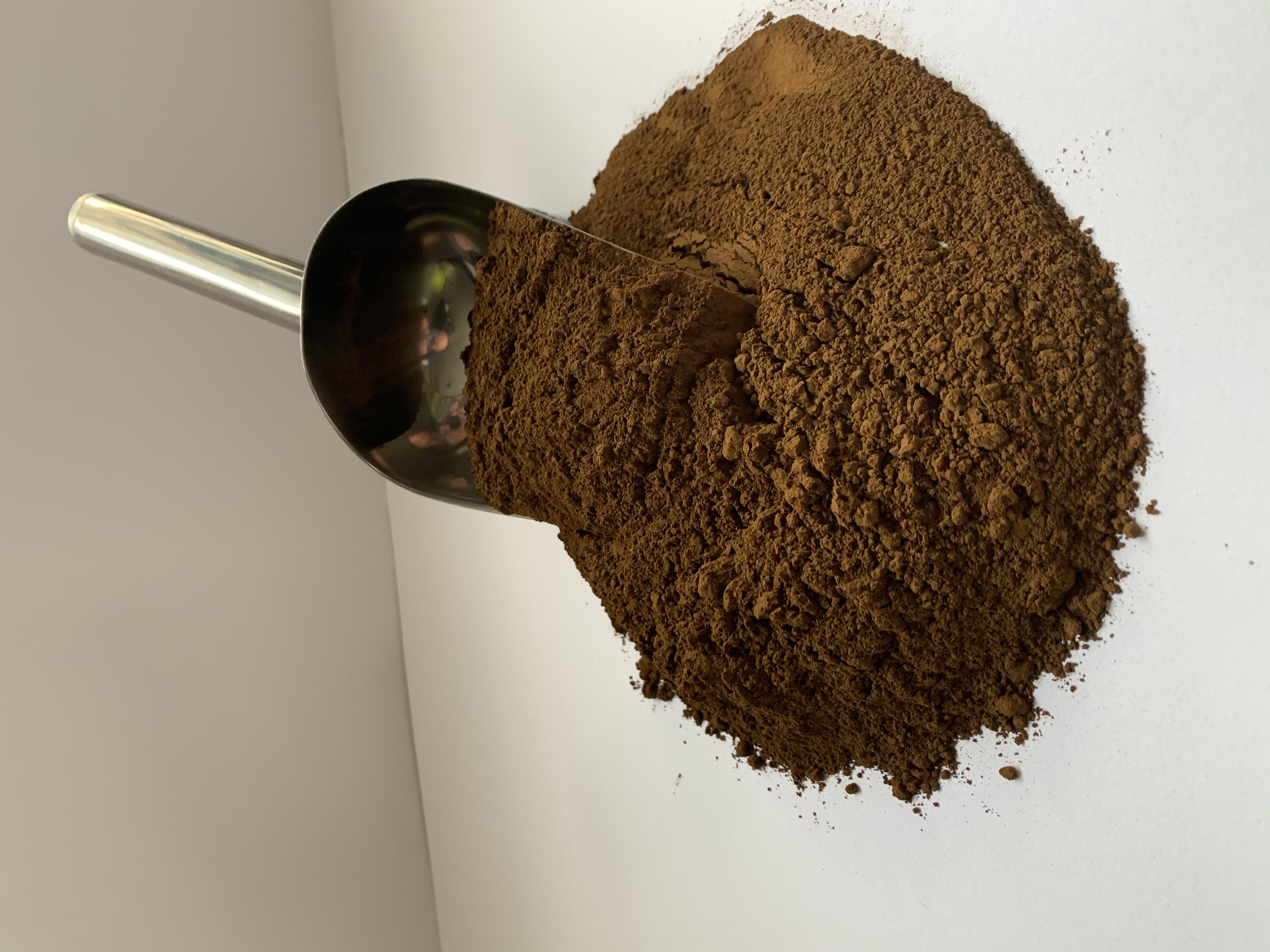
FeSfix-Red is a relative new product in our portfoliio. It is red, brown powder with two thirds Goethite (FeOOH) and a significant amount of Hematite (Fe2O3). This product also contains 50% iron, but has a different compostion overall. FeSfix-Red is somewhat more reactive, but misses some of the trace elements that FeSfix contains. This can also be a benefit in situations where trace elements are differently managed or where some of these trace elements are not adding value to the process. This product can also be supplied in 1 ton big bags or in 25 kg biodegradable paper bags.
For the technical info, please click the following links Technical Data Sheet FeSfix-Red and MSDS FeSfix-Red.
Joint benefits of FeSfix and FeSfix-Red are:
- Sulphur leaves the system via the digestate as iron sulphide and is a valuable sulphur fertiliser.
- Trace elements are more available for the bacteria to do the methanogenesis.
- No corrosive effects on concrete and metal parts compared to other liquid based iron products such as ferric chloride.
- The product is relatively harmless, which provides save handling and manipulation; especially the paper bags provide a dust free and "no contact" solution.
- Low dosage per day due to the high, 50% iron content, and no dilution of the digester content.
The filter media and scrubber systems
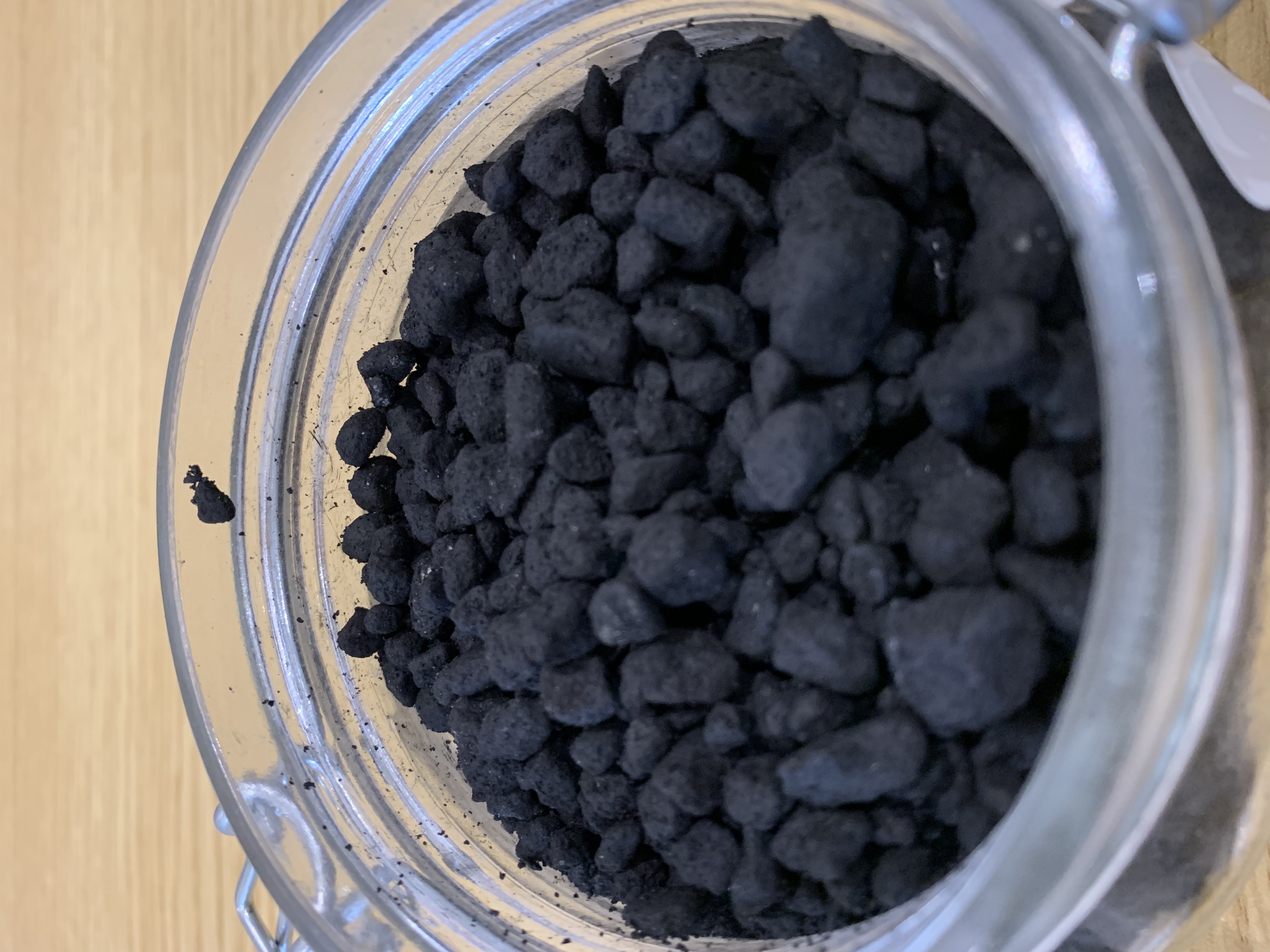 If treatment of the H2S with additives inside the digester is not sufficien and when only relatively low amounts of H2S is required, or when an additional safety and control is needed, end-of-pipe sollutions can provided, such as filter systems that clean the gas from H2S and, if needed, other impurities. BiogasJG can design a complete filter package or dry scrubber system, or provide you the media for these and other filter systems, such as activated carbon or our own Metalox. Metalox is a metal oxide based medium that reacts with H2S instead of adsorption as with activated carbon. Metalox is lower priced, and in many cases (depening on country regulations) after its use is seen as non-harzardous waste or as no waste at all, and can contain overall the same amount of H2S as most activated carbon types. Since it is a reaction that takes place in this process, water is formed as a by-product. Water in itself is no issue for the effectiveness of the product as it does with activated carbon, but the system needs to be drained from the system.
For the technical info, please click the following links Info Metalox desulphurisation, Technical info Metalox and MSDS Metalox.
For cases where this is disturbing the process or where also other impurities need to be captured from the gas, activated carbon or a combination of different media is used. BiogasJG is able to offer the range of high performance filtration products from Puragen Activated Carbons, including its OxPure and Filtracarb® ranges. Grades offered include virgin and regenerated carbons, and are suitable for general air treatment/VOC abatement, or more specialised impregnated carbons for hydrogen sulfide and ammonia removal. Please get in touch for further information about how we can assist you with your biogas purification requirements.
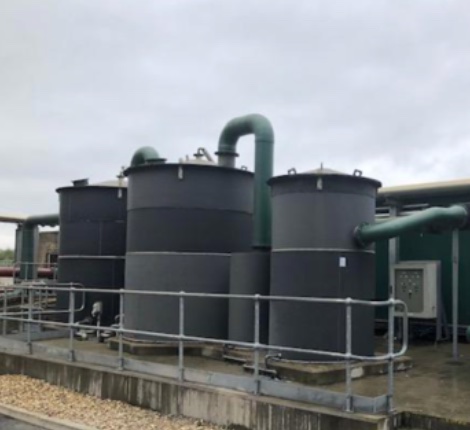
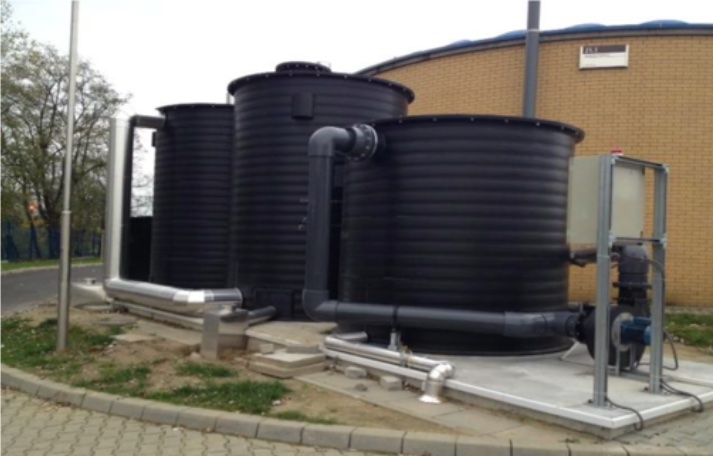
With its partners, BiogasJG can provide basically a solution for all kinds of requirements. An impression of installed systems are shown here.


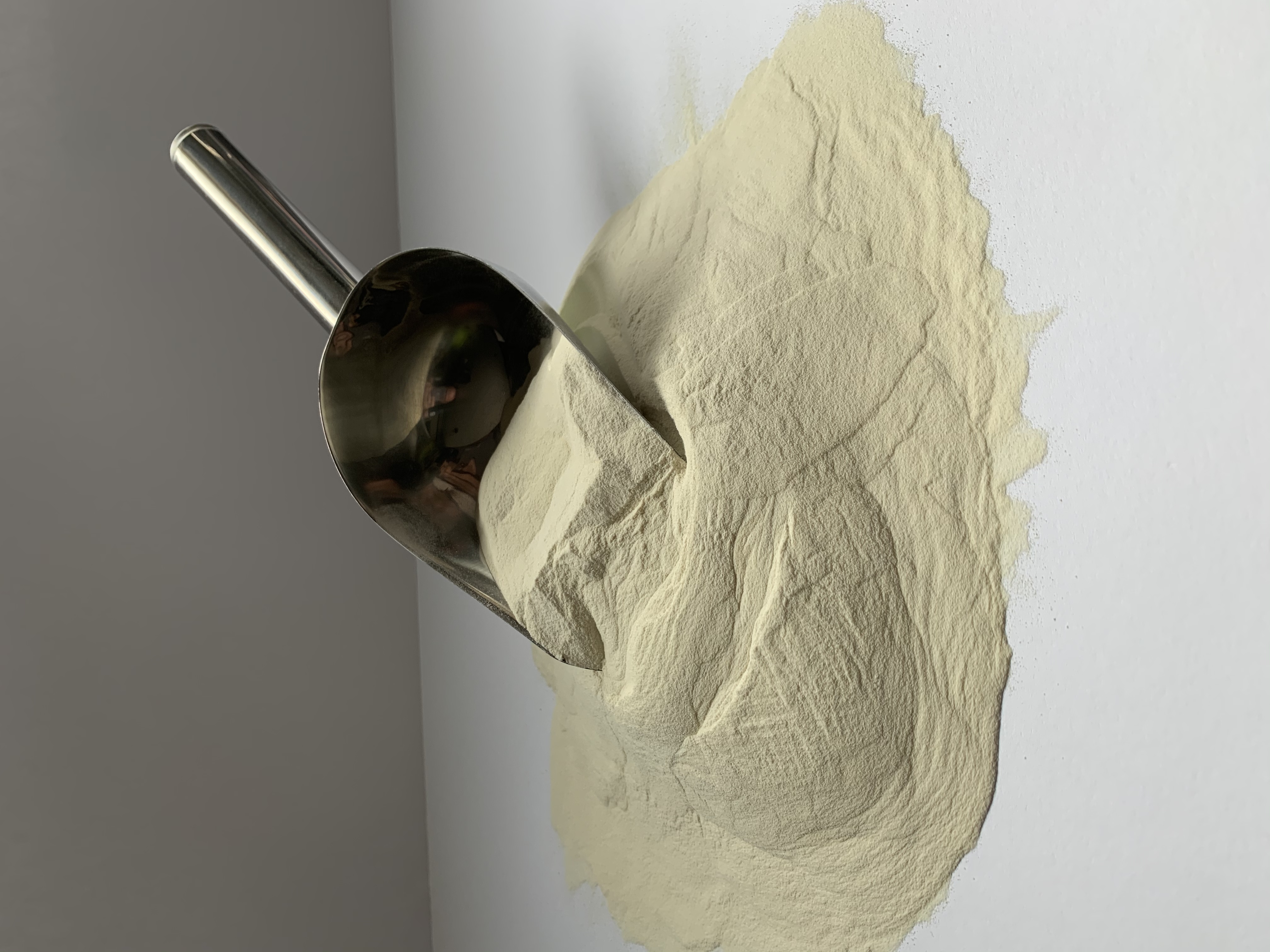 As part of our portfolio, we supply enzymes to biogas producers. We import these enzymes into Europe from China. Enzymes are proteins that act as biological catalysts (biocatalysts). Catalysts accelerate chemical reactions. The molecules upon which enzymes may act are called substrates, and the enzyme converts the substrates into different molecules known as products. Almost all metabolic processes in the cell need enzyme catalysis in order to occur at rates fast enough to sustain life. Metabolic pathways depend upon enzymes to catalyze individual steps. Enzymes are known to catalyse more than 5,000 biochemical reaction types.
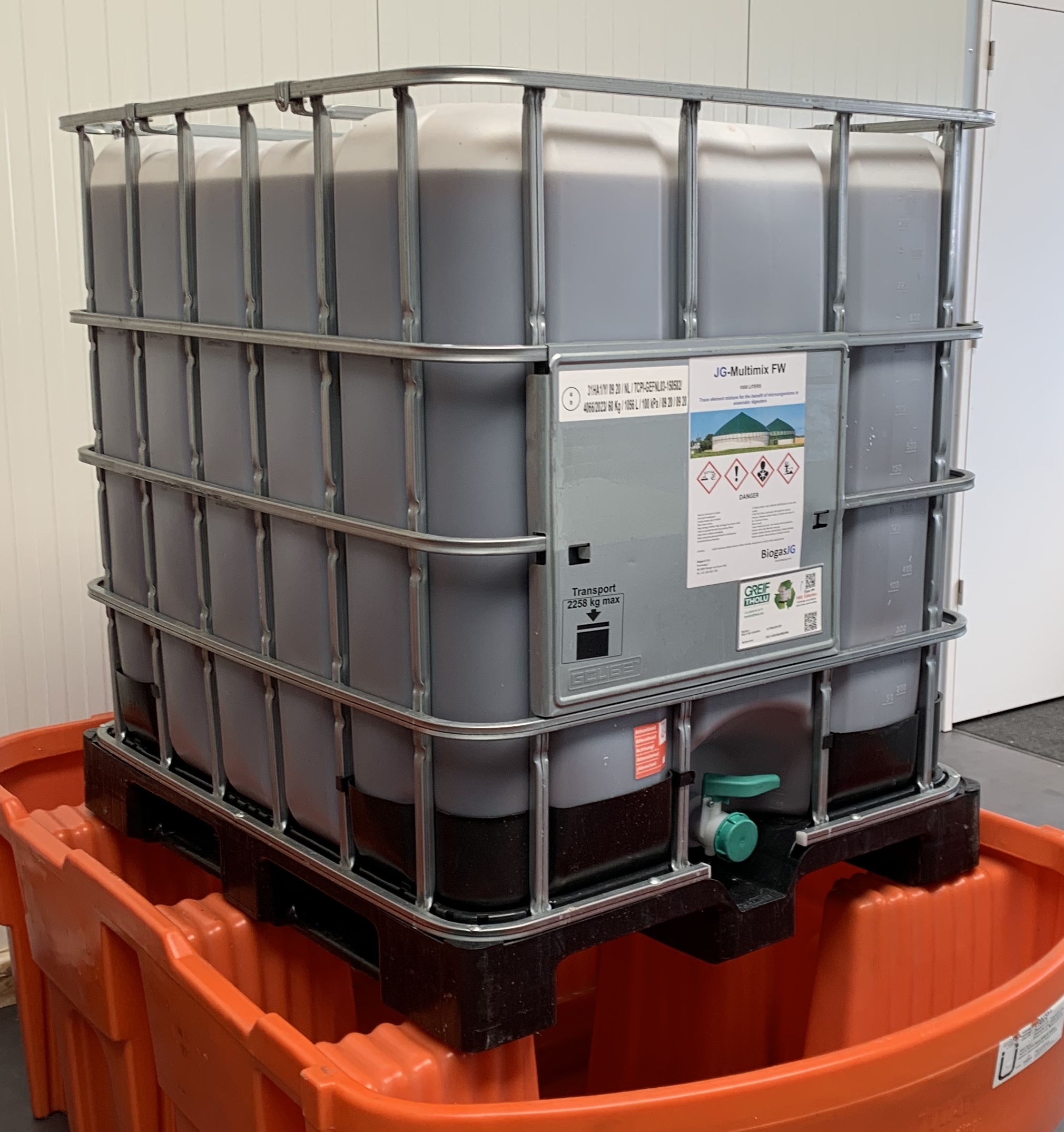 Trace elements are chemical elements whose concentration (or other measure of amount) is very low (a "trace amount"). They are classified into two groups; essential and non-essential. Essential trace elements are needed for many physiological and biochemical processes in plants, animals, humans and bacteria. Not only do trace elements play a role in biological processes but they also serve as catalysts to engage in oxidation and reduction mechanisms.
 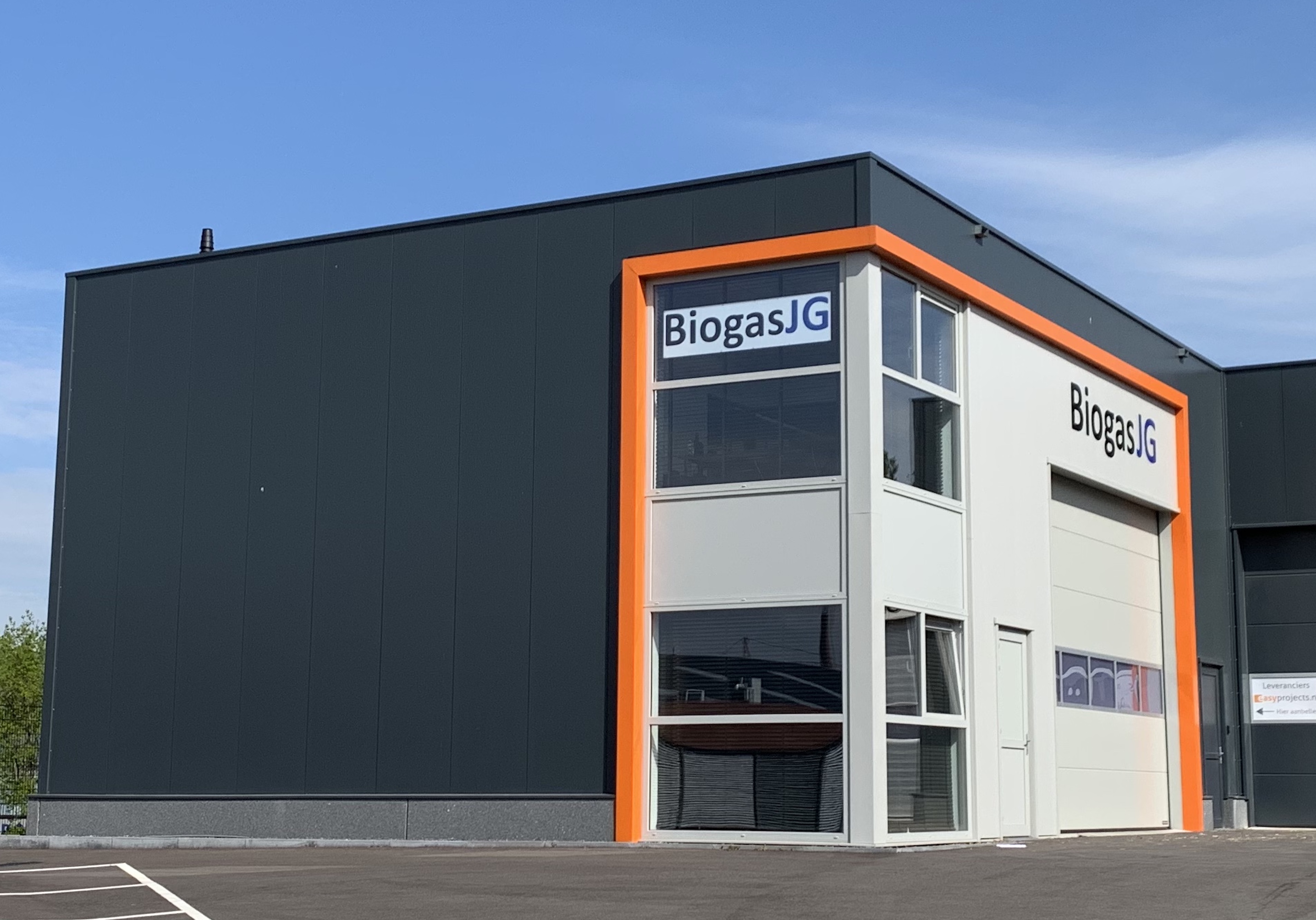 Welcome at BiogasJG B.V., which has been established in 2014 as a limited company in The Netherlands. It supports biogas producers in managing their desulphurisation process and improving their methane production. BiogasJG supplies additives that can be supplied directly into the digester as well as products and equipment that can desulphurise the biogas as an end-of-pipe solution. With the support of their partner laboratories, biological analysis can be done, and advice can be provided to improve the biological process in order to increase the methane production.